What Is Cardstock Paper?

When it comes to packaging, cardstock is a top material. This material is commonly used in packaging and several industries due to its low cost and premium quality. One of the best features that cardstock has is its sustainable nature. You can use this material to manufacture boxes without harming the environment. In addition to this, cardstock is an excellent food-grade material that is used for food box manufacturing.
From retail markets to logistic brands, the use of cardboard is ubiquitous. Most brands look for a material that can not only protect the product but also provide a sustainable and economical alternative for custom packaging. In this case, cardboard comes as a top choice. This material is available in multiple GSMs and with surface coatings that impart unique properties. Let’s read the blog and get a thorough understanding of cardboard.
Cardstock is a thick and durable paper designed to offer superior cut-and-read quality packaging. It’s made of dense and compressed paper fibers, which give it a refined look. It holds up well against tears and wrinkles, even while it’s bendable. You can select Cardstock when you need materials that are less expensive and highly durable.
Cardboard is available in different types of finishes and thicknesses. This is generally measured in GSM, available from around 18 to 350 GSM. Lower GSM cardstock is easier to bend and lighter, whereas higher GSM ones are denser and more resistant. There are various grades of base stock that customers can select, depending on the types of paper machines they run. The different types of cardboard have different strengths and surface properties, such as:
| Cardstock Type | GSM Range | Fiber Type | Surface Finish | Common Use | Print Quality |
| Cover Stock | 250 gsm | Wood pulp | Smooth surface | Book covers | Sharp prints |
| Index Stock | 180 gsm | Paper fibers | Light texture | Flash cards | Clear text |
| SBS Cardstock | 300 gsm | Bleached fibers | Coated surface | Premium packaging | High clarity |
| Textured Stock | 280 gsm | Cotton blend | Linen texture | Wedding invites | Soft prints |
| Recycled Stock | 220 gsm | Reused fibers | Matte finish | Eco projects | Muted colors |
| Coated Stock | 350 gsm | Refined pulp | Gloss finish | Photo cards | Vibrant images |
It is not only found where traditional papers are counterindicated due to a lack of strength or a rough surface, but also where aesthetically powerful materials are needed. It is particularly useful for jobs that require a rigid form but are still flexible to printing and cutting. Some of the common applications cardboard materials have are as follows:
| Usage Type | Creative Projects | Professional Use | Event Material | Craft Activities | Print Applications |
| Greeting Cards | Birthday wishes | Business cards | Wedding invites | Scrapbook pages | Photo prints |
| Invitations | Party designs | Brochure covers | Ceremony programs | Handmade journals | Flyer prints |
| Packaging | Gift tags | Product covers | Event signage | Paper models | Catalog inserts |
| Decorations | Banners crafted | Marketing materials | Table tents | Paper flowers | Poster prints |
| Labels | Name tags | Presentation boards | Menu cards | Origami creations | Sticker backing |
| Educational | Flash cards | Report covers | Workshop kits | Learning aids | Instruction sheets |
While cardstock and cardboard are both derived from paper, they are vastly different in structure and intended use. Cardstock is lighter in weight and appears thinner, but it is still as strong as chipboard. These have smooth and excellent printability. Cardboard is thicker and sometimes made up of more than one layer, which allows it to be used for custom packaging. Some of the major differences these two materials have are as follows:
Cardboard
Cardstock
Cardstock is sometimes called “cover stock” and refers to paper with a weight higher than that of other types. It is thicker than regular paper, but the thickness depends on how brands manufacture it. It has a higher bulk and a more compact fiber structure, so it is stiffer and has some resistance to physical impact.
Cardstock is thicker than regular paper and measures between 180 and 350 micrometers. It can be categorized by its weight or caliper. This construction allows the cardstock to retain its shape while being curved or cut.
Most cardstock isn’t really waterproof or water-resistant. With natural moisture absorption, paper can often warp and stain; it also weakens if it becomes damp. A few types of cardstock are coated or laminated to some degree, and those with a slightly shiny surface can resist moisture well.
While these treatments help seal the surface, they don’t make the material suitable for wet areas. Specialty stock with plastic coatings can be more water-resistant, but it’s still not a friend of long-term exposure. For applications that require moisture tolerance, additional protective coatings or different materials become necessary.
Cardstock also comes in different finishes, each chosen according to its end use. The back cover is matte cardstock, enabling writing on the back of the blank pages. It is a popular choice for designs with text or logos, as well as projects that demand a professional look. Shiny cardstock has a coated surface that gives it a bright appearance to reflect light and enhance color vibrancy. This is a finish we often use in images meant to have a visual “pop”. Both finishes also influence how ink is presented on and attaches to a surface, and thus how printed material will look.
Cardstock can be identified by observing several physical features. Cardstock also has a weight and rigidity that you can feel when using it. It holds its shape when you try to lift it out and won’t bend or flop over. This is one of the safest ways to check, as paper over 180 GSM is usually considered cardstock. Cardstock also produces a denser “thud” when shaken or bounced against a surface. Terms like “cardstock” or “cover stock” are also part of packaging labels and add to the evidence you can use to verify the type of paper.
| Identification Method | Physical Feel | Visual Clue | Weight Indicator | Flex Test | Sound Test |
| Hand inspection | Firm stiffness | Thick edges | Higher gsm | Limited bending | Dull tap |
| Sheet comparison | Heavy feel | Solid look | Above 180 | Slow flex | Deep sound |
| Package label | Product description | Cardstock term | GSM listed | Usage notes | Quality grade |
| Fold attempt | Clean crease | No tearing | Dense weight | Controlled fold | Crisp snap |
| Printer test | Feed stability | Flat output | Machine rated | Minimal curl | Quiet pass |
| Edge check | Layer depth | Defined thickness | Cover stock | Strong resistance | Soft knock |
Cardstock has a clean and smooth look that ensures you have a quality enough autograph. The edges of cardstock are thicker and crisper than on regular paper, and the surface is generally smooth and even. Cardstock can have a soft and muted look in some finishes or an intense sheen in others. Some versions are also subtly textured, adding visual and tactile interest. When cut, cardstock has sharp edges and neat cuts. These edges create a clean look and reduce the chance of dust collecting on its surface.
Cardstock has since been used in various industries (for example, publishing). Other industry- and application-specific terms exist. Cover stock is a term used by printers who also use the word “point” to describe paper thickness. It is also called an art card in some local markets. The names may change, but the type of heavyweight paper used for high-end cardboard packaging is almost constant. Knowing these synonyms can be useful when sourcing materials from multiple vendors or when dealing with printing guides.
It is ideal for making with cardstock, because this type of paper combines strength and quality. Based on the specific requirement of your brand, you can select multiple styles and thicknesses of cardboard. If you are looking for premium quality cardboard boxes, then Bexo Packaging is the top choice in the USA. We have all the options that a customer needs, with multiple add-ons and unlimited customization options.
Bexopackaging is an one stop shop for your packaging needs. We are here to provide you sustainable and cost friendly packaging. Contact Us Now to share your requirements to get desired boxes
Get A Quote
Level up your custom boxes with logo game by gaining practical knowledge and expert advice through our blogs. Our articles cover a broad range of topics, including paper selection, spot UV techniques, Adobe Illustrator tips, image quality, subscription box strategies, digital proofing, die-cutting, full-color printing, ink coverage, innovations in corrugated cardboard, shipping methods, and box templates. We explore innovative ideas for custom boxes with logos and share insights on maximizing the impact of your custom box packaging.

Custom box printing might be easy enough, but knowing the meaning of collating can definitely simplify a lot of the...
When it comes to packaging, cardstock is a top material. This material is commonly used in packaging and several industries...

The PR packages have been among the most potent marketing tools for contemporary brands so far. Amid consumer skepticism of...

Ever noticed a charming, pillow-shaped box when you received a gift or bought an accessory? That, my dear friend, is...

The Perfume bottles carry with themselves a sense of aroma and fragrance that leaves a lasting impact on the nearby...

If you’re looking for a way to upgrade your donut race, but don’t have the time or resources to make...

As vaping becomes increasingly popular, more and more people are asking the question: why use a low-quality vape cartridge box...
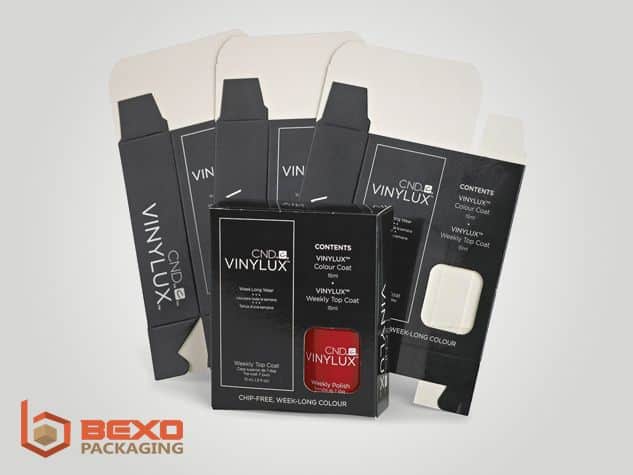
The cosmetic market is one of the most competitive out there. In order to stand out from the crowd, you...

We frequently discuss how to provide your consumers with an unforgettable experience by utilizing all five senses. Which one is...

The greatest cereal boxes should be your top choice if you want to make your food company exceptionally well-known and...

Candles are the ideal lighting source for a romantic evening with your loved ones. Without candles, no celebration is complete....

The use of sustainable packaging has become increasingly important for businesses as the world is becoming more environmentally conscious. One...
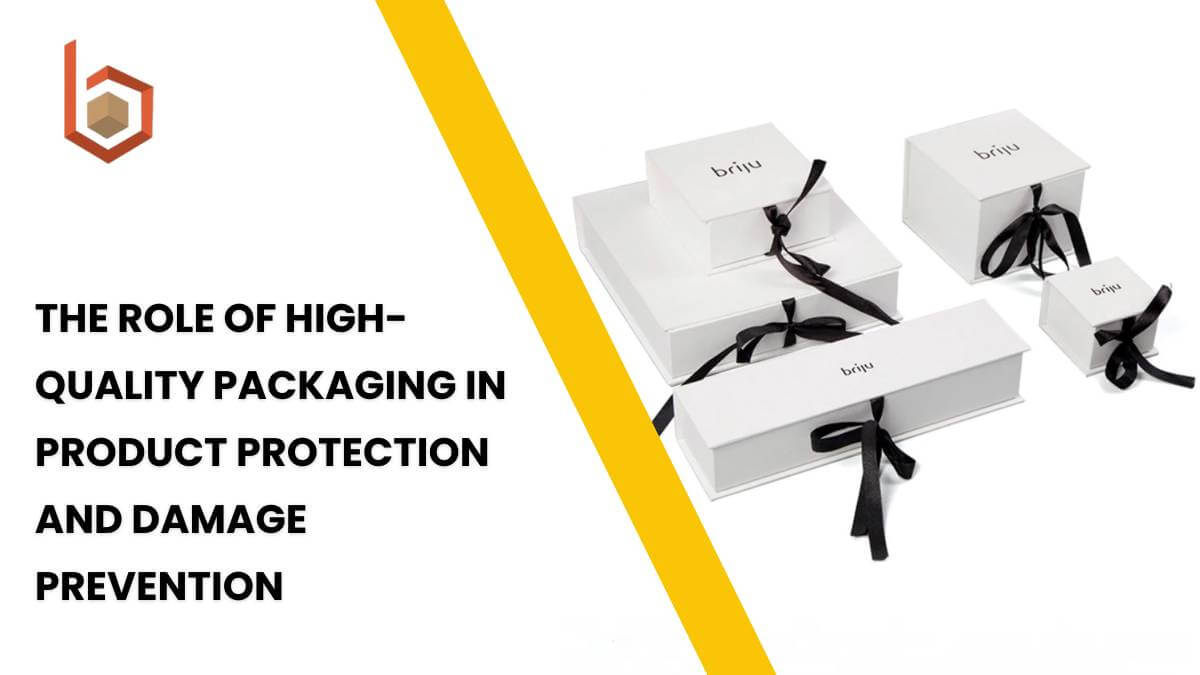
Packaging is an essential aspect of the product manufacturing and distribution process. The primary purpose of product packaging is to...
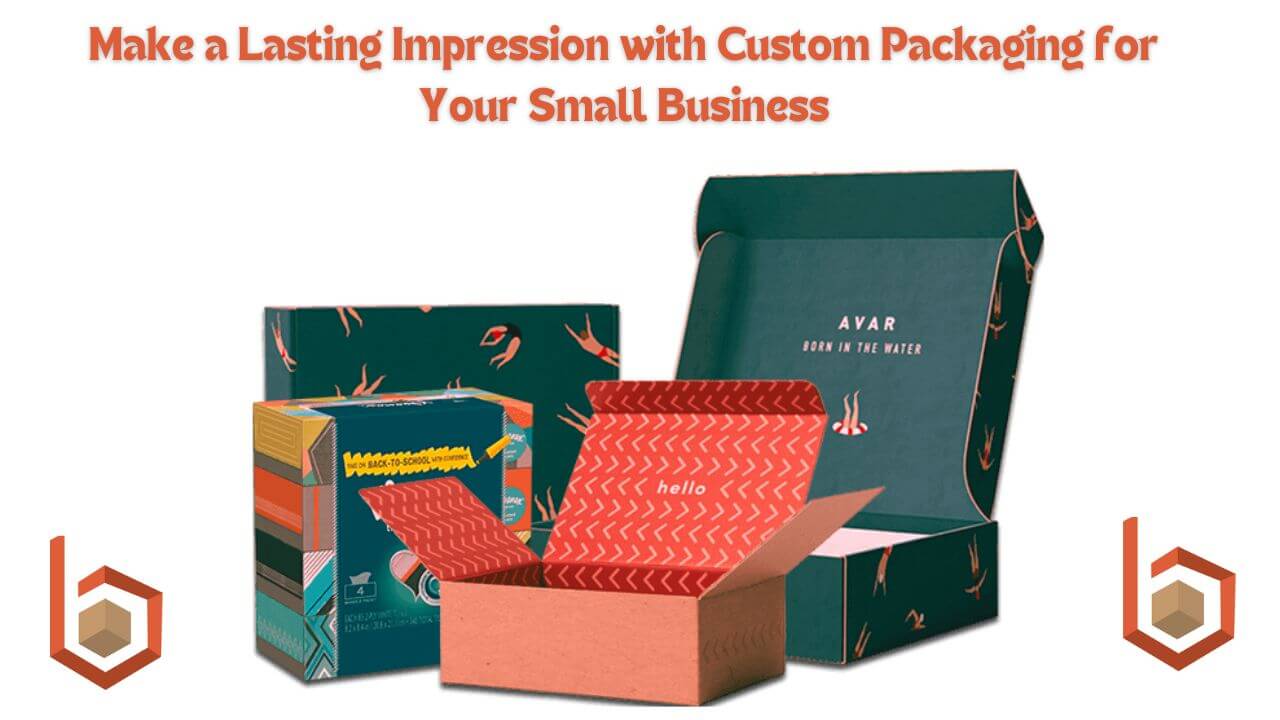
In the world of business, it’s crucial to make a lasting impression on your customers. With so many businesses competing...
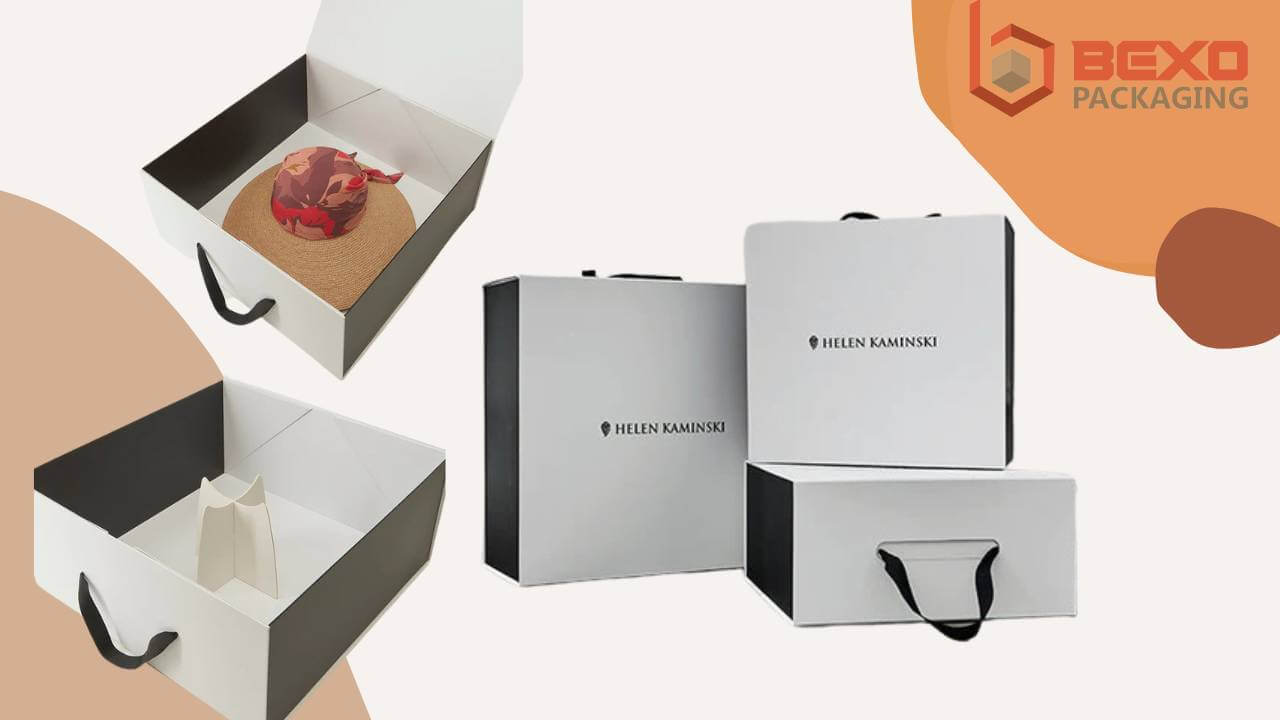
Gift-giving is an art, and the presentation of a gift plays a vital role in making it memorable and special....
At Bexo Packaging, we take pride in providing innovative packaging solutions that cater to the unique needs of businesses across various...

Introduction In the world of eCommerce, creating a memorable unboxing experience has become increasingly important. Online retailers are always looking...

Packaging plays a crucial role in attracting customers and making your product stand out on the shelves. In today’s competitive...

Understanding PR Boxes Ever receive a box filled with all the latest products from your favorite brand? That, my friend,...